


Search
10 results found
Are we kicking the can down the road with ransomware payments?
02 Sep 2022
The first known cyber extortion attack dates back to 1989, a decade before the invention of bitcoin. Targeted at the healthcare industry, AIDS researchers fell prey to a social engineering tactic involving a Trojan virus on 20,000 floppy disks which were distributed to them at the World Health Organisation AIDS conference.
With data now perceived as more valuable than oil and possibly human lives, were criminals quick to see through human frailty as an easy gateway to data? Or was being “Rick-rolled” in the late 2000s the light bulb moment for cyber criminals?
The turn of the decade saw a spike in cyber hacking that had even led to the shutdown of national healthcare systems and endangering lives for such illegal money-making.
The growing use of bitcoin and other cryptocurrencies has further emboldened these criminal activities. Ransomware has proliferated and has become a substantial drain on business resources.
With the pandemic-induced spike in the use of digital platforms, it is no surprise that the incidence of ransomware has been on a steep incline both globally and in Singapore. According to the Sophos’ State of Ransomware 2022 report, 65% of Singaporean organisations surveyed were hit with ransomware in 2021, up from 25% in 2020.
To make matters worse, the average ransom paid by organisations in Singapore that had data encrypted in their most significant ransomware attack increased by more than sixfold from US$187,500 in 2020 to US$1.16 million in 2021.
Regulators have preached “never pay the ransom” to ransomware victims, and some have legislated a ban on paying ransom in any circumstance. That said, this may not have drilled into enterprises and our society at large on the implications of this faceless crime. Does stopping ransomware payment just boil down to regulations?
Does it pay to pay?
The issue of paying the ransom to recover your files, especially customer and employee data, and proprietary information presents a moral dilemma for many.
The ransom could be used to fund terrorism and perpetuate other criminal activities, and paying up does not guarantee that your data will be decrypted or will not be published by the threat actors. Ironically, those who pay up may suffer repeated attacks as it reinforces the perception that they are a “soft” target.
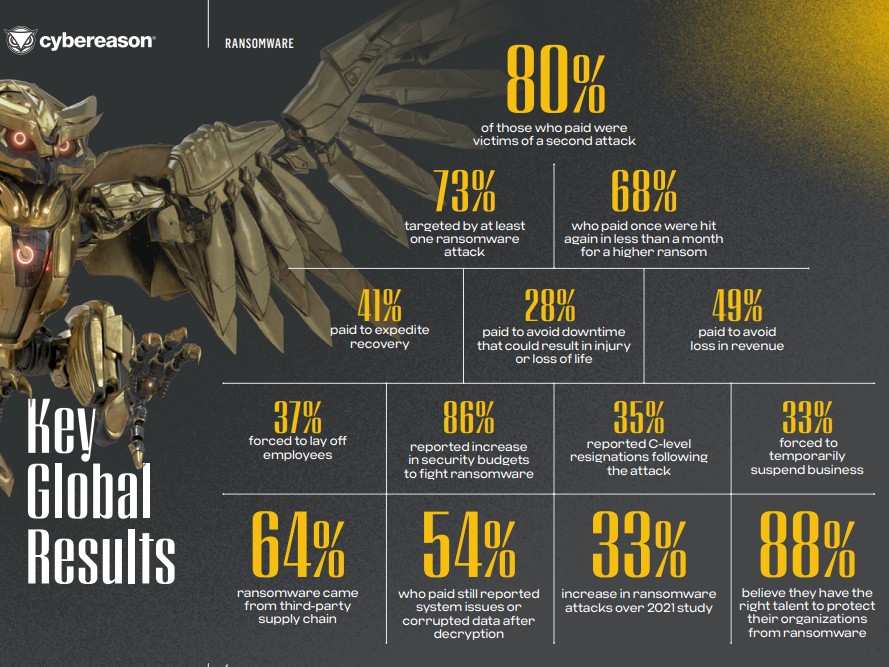
According to Cybereason’s 2022 study on ransomware’s true cost to business, 80% of organisations were hit by ransomware again after paying up. 68% reported that the second attack with higher ransom demand took place less than a month later.
Organisations covered under a comprehensive cyber insurance policy could seek reimbursement for the costs associated with rectifying the network disruption caused by the malware. The decision to pay any ransom payment would rest with the insured.
For the insurer, reimbursing these funds to stop a cyber extortion event is a double-edged sword. While it could reduce the overall financial losses and the cost of an insurance claim, it also brings up moral and ethical issues where the reimbursement is seen to be directly and indirectly funding illegal activities by the perpetrators. Such reimbursements could therefore trigger regulatory concerns and would require a sensible review from the insurers.
Targeting the insured
For many of these affected companies, paying these hefty sums is seen as the only way to protect their business. Even if they have data backed up elsewhere, they may feel obliged to give in to the hackers’ demands to prevent confidential information from being exposed.
The same Sophos study found that 48% of the organisations that had data encrypted paid the ransom to get their data back, even if they had other means of data recovery, such as backups.
Bad actors are now using a form of “double extortion” where data is taken out and the system is locked up; so even if data is backed up else, companies are incentivised to pay. They are also getting smarter, searching for those who are insured to demand a higher payout.
Building on the same methodology as of double extortion, the hackers have recently added another layer to ransomware attacks – “triple extortion” – in which they attack or extort from a victim’s clients and even suppliers.
The ethical dilemma of paying the piper
While paying the piper may seem like the path of least resistance for nearly half of the affected organisations, acting for the greater public good by deterring criminal activities remains the moral imperative for businesses.
Businesses and insurers can also face substantial reputational risks from fuelling the ransomware business with the payment and reimbursement of ransoms respectively.
Some insurers have taken a hard stance against reimbursing ransomware payments. Over at MSIG, we believe that the payment of ransomware does not sit within our broader mission of developing a sustainable and vibrant society, and we do not encourage our policyholders to succumb to cyber extortion.
Regulators need to send a strong message
On the regulatory front, legislators could double down on the repercussions of paying ransomware and consider tightening laws against paying cyber extortion ransoms.
While it is not illegal to pay ransoms in Singapore, authorities generally do not recommend that victims of ransomware pay the threat actors. This is because the payment does not guarantee that the perpetrators would provide decryption and may even increase the likelihood of more ransomware attacks.
Ransomware attacks are unfortunately not going away and are only becoming more common. The need for a more effective response to these threats is no longer a priority for businesses alone. Our society at large needs better defences against these criminals before the cyber threat turns into far-reaching systemic problems. Rather than kicking the can down the road, the public and private spheres should work together to navigate the ransom payment dilemma and the conflict of values.
An edited version of this article has been published in Future CIO on 1 September 2022.
The article was contributed by Andrew Taylor, SVP, Financial Lines, MSIG Singapore and MSIG Hong Kong.
Why Do Non-Smokers End Up with Lung Cancer?
04 Sep 2022


It may not surprise anyone to know how prevalent lung cancer is in Singapore. Three Singaporeans die from it every day1, making it the second most common cancer among men and the third most common cancer among women here.
But here’s the shocking part: out of all these patients, a third are people who have never smoked2. How does a person get lung cancer having not touched a single cigarette? Here are a few risk factors that potentially increase the likelihood:
1. Second-hand smoke
Non-smokers may not take smoke breaks, but that doesn’t mean they’re in a smoke-free environment. Accompanying a friend on a smoke break, being in close contact with smokers, or simply being in places such as the alfresco area of a restaurant or bar increases one’s exposure to second-hand smoke.
2. Environmental pollutants
Cigarettes are a common source of second-hand smoke but they are not the only one. Both outdoor and indoor air pollutants can contribute too. Consultant medical oncologist Wong Seng Weng cites diesel fuel as an example, calling it a “particularly problematic outdoor pollutant”3.
Studies have shown that burning coal and biomass, especially in places with poor air ventilation, may also increase the risk. These are especially grave concerns for people who work in specific professions and are subject to workplace exposure of exhaust fumes and other chemicals.
3. Radiation
Generally, exposure to radiation such as in the form of X-rays can lead to greater risk of different types of cancers. Ironically, there have been cases of people getting cancer from doing radiation therapy to treat another type of cancer4.
While this is no reason to avoid X-ray scans, it is something to consider and to consult with the doctor when making decisions about your healthcare.
4. Genetics
While it is a less common reason, genetic inheritance can greatly increase the risk for certain cancers.
Others inherit a reduced ability to break down cancer-causing chemicals in the body. While family history is not a definitive indicator, it could mean you have a higher predisposition to cancer.
MSIG’s CancerCare Plus
Despite its prevalence, most people tend to get complacent about lung cancer because the symptoms don’t usually show up till it is in the late stage.
Even when the symptoms do show up, they are often presented as seemingly benign issues such as coughing, tiredness or poor appetite – a good reminder of why we should go for regular health screening and get any health issues checked early.
No matter how unlikely a cancer diagnosis may seem, it is important for everyone — of varying ages, lifestyles and habits — to stay prepared with adequate healthcare protection.
MSIG’s CancerCare Plus comes with a full $100,000 cover, half of which can be paid out for early-stage cancer diagnoses. Receiving the early-stage payout does not void the policy, and in the event of a major cancer diagnosis further down the road, you can still get the remaining $50,000 payout. Premiums start from less than 15 cents a day, and you can purchase it easily by answering 3 simple health questions online.
Surely, when it comes to your health, it is not something you want to be passive about. Manage your financial wellness with CancerCare Plus today!
Sources
- https://www.straitstimes.com/singapore/health/non-smokers-make-up-almost-half-of-lung-cancer-patients-in-spore
- https://www.sgh.com.sg/news/others/why-non-smokers-get-lung-cancer
- https://www.todayonline.com/singapore/it-started-dry-cough-and-fatigue-then-non-smoker-finds-out-she-has-stage-4-lung-cancer
- https://www.cancer.net/survivorship/what-second-cancer
Protect your Singpass Details
06 Oct 2022
The Singapore Police Force has observed a surge in SMS phishing scams to trick victims into disclosing their Singpass details via fake websites.
Please be extra alert if you are asked for your Singpass details.
How to protect yourself
- Verify the authenticity of the SMS sender.
- Scan the Singpass QR code found only on official and trusted websites.
- Do not key in any personal information into unverified webpages.
Received SMS from MSIG?
MSIG will only send SMSes to customers using the official SMS Sender IDs appearing under ‘MSIG’ or ‘MSIG SG’.
Purchase of MSIG insurance products
Always check that you are accessing our Customer Portal via our official website at msig.com.sg before initiating the login or transaction via your Singpass.
If you suspect any phishing scam, fraudulent email or fake website is directed at you as a customer or potential customer of MSIG, please notify us immediately at 6827 7602.
Common Cancers in Singapore
14 Oct 2022


Cancer is one of the leading causes of death in Singapore. There are many different types of cancer, and each one affects people in different ways.
The common cancers in Singapore include breast, lung, colorectal, and prostate cancer. Each of these cancers can be deadly if not treated early enough.
That's why it's important to be aware of the signs of each form of cancer and to seek medical attention if you detect any changes in your overall health. The importance of early detection in the treatment of cancer is critical.
What is Cancer?
Cancer refers to various diseases that affect the cells in the body. These cells are constantly growing and dividing, and when there is a disorder causing these cells to grow and divide uncontrollably, a tumour is formed. This tumour can spread and affect other normal tissues. Cancer can affect any part of the body, and many types of cancer exist.
Cancer Statistics in Singapore
Cancer patients can be anyone of all ages, but the risk of developing this disease increases as you get older. Most common cancers differ between men and women.
From 2015 to 2019, the rate of cancer in men and women in Singapore was:
Males:
Colorectal (Colon) (6,436 cases/16.9%)
Prostate (5,875 cases/15.4%)
Lung Cancer (5,218 cases/13.7%)
Females:
Breast (11,805 cases/29.4%)
Colorectal (Colon) (5,253 cases/13.1%)
Lung Cancer (3,074 cases/7.7%).
Table source from National Cancer Centre Singapore - Cancer Statistics
Specific forms of cancer are more prevalent in certain ethnic groups. For example, Chinese women have a higher risk of breast cancer than Malay women, while Indian men have a higher risk of developing prostate cancer than Chinese men. These statistics are essential to note as they will better help doctors understand certain risk factors and offer more tailored screening and treatment options.
To find out more about cancer trends in Singapore, you may visit the National Cancer Centre Singapore (NCCS) website. Or, you can download the Singapore Cancer Registry Annual Report provided by NRDO. The Singapore Cancer Registry Annual Report also presents the trends for cancer incidence in the country.
What causes cancer?
Cancer can develop due to a variety of circumstances. Some of the most common causes include:
-
Smoking
-
Excessive alcohol consumption
-
Obesity
-
Poor diet
-
Lack of exercise
-
Exposure to radiation or carcinogens
-
Family history of cancer
What are the Symptoms?
While cancer has different forms, some common symptoms can indicate the disease. These include:
-
Unexplained weight loss
-
Pain or swelling in the tummy
-
Changes in bowel habits
-
Blood in stools or urine
-
Difficulty breathing or swallowing
-
Unexplained fatigue
-
A lump or mass in the breast, testicles, or elsewhere on the body
-
Persistent cough or hoarseness
-
Unusual bleeding or discharge
Mentioned above are some of the more common symptoms of cancer. However, it's important to remember that not all cancers will cause symptoms in the early stages, so it's ideal to see a doctor for regular check-ups, even if you feel healthy.
If you experience any of these symptoms, it doesn't necessarily mean that you have cancer. However, consulting with a doctor to rule out other possible reasons and receiving the appropriate treatment would be ideal if diagnosed with this illness.
What are the Treatments?

The type of treatment a patient receives depends on many factors, including the type and stage of cancer, the patient's age and overall health, and personal preferences.
There are three main types of treatments when treating cancer: surgery, radiation therapy, and chemotherapy.
Surgery
Surgery is the removal of cancerous tissue by an operation. The type of surgery performed depends on the type and stage of cancer. For example, a lumpectomy is a type of surgery used to treat breast cancer, while a radical prostatectomy is performed to treat prostate cancer.
Radiation Therapy
Radiation therapy uses high-energy rays to kill cancerous cells or shrink tumours and prevent them from harming nearby tissues. Radiation therapy can be administered externally, from a machine outside the body, or internally by placing radioactive material in or near the cancerous tissue.
Chemotherapy
Chemotherapy uses drugs to kill cancer cells or shrink tumours. Chemotherapy can be administered orally, through the mouth, or intravenously through a vein.
Your doctor will recommend the best procedure for you based on the type of cancer, its stage, and general health. However, the decision about which treatment to receive is personal, and you should discuss all of your options with healthcare professionals or your doctor before making a decision.
Other cancer treatments include:
-
Hormone therapy
-
Targeted therapy
-
Immunotherapy
How to Prevent Cancer?
Preventing cancer is easier than you think. Experts from the National Center of Biotechnology Information have stated that making dietary and lifestyle changes can lower your cancer risk by 30% to 40%. The best way to prevent cancer is to:
-
Maintain a healthy weight
-
Exercise regularly
-
Eat a healthy diet
-
Avoid tobacco products
-
Limit your alcohol intake
-
Get regular screenings and check-ups
Get Insured Now
Although cancer can affect people of all ages, this illness is most commonly diagnosed in people over 50. While it is most often detected in adults, some types of cancer occur more frequently in children.
The good news is that most common cancers can be treated if they are detected early. That's why getting regular screenings and check-ups is essential, even if you feel healthy. Speak with your doctor to know the best way to stay healthy and reduce your risk of this disease.
To ensure that you are well prepared for cancer treatment costs after getting diagnosed, it is vital to have personal insurance like MSIG CancerCare Plus. MSIG CancerCare Plus is a personal insurance plan offering comprehensive coverage for major and early-stage cancers. This plan also provides financial benefits that can financially support your family or help you through this difficult time.
To find out more about MSIG CancerCare Plus, don't hesitate to give us a call today or get a quote here.
Lung Cancer in Singapore
14 Oct 2022


Lung cancer is one of the most common and deadliest forms of cancer, affecting millions worldwide each year. And while many known risk factors can increase a person's chances of developing this disease, the reality is that it can strike anyone.
For years, residents of Singapore have experienced some of the world's highest rates of lung cancer cases. In men, it is responsible for 26% of all cancer deaths; in women, it accounts for 16%, according to the Singapore Cancer Society. So the situation is dire that our government launched a task force to address the problem.
To this day, lung cancer cases have continued to affect many people in Singapore, and everyone needs to be aware of the risks and symptoms of lung cancer.
What is Lung Cancer?
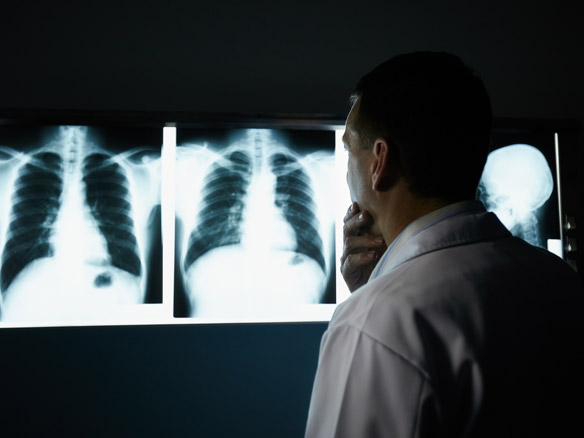
When a person smokes, they open their body up to the risk of developing lung cancer through the tobacco contained in the cigarettes. Lung cancer is a form of cancer that occurs in the lungs when abnormal cancer cells grow uncontrollably and create tumours that eventually spread throughout the parts of the body.
Being the third most common cancer in Singapore, lung cancer affects millions of people every year. According to National Cancer Centre Singapore, 13.7% of new cancer cases in men and 7.7% in women in Singapore were due to lung cancer.
Lung cancer affects the body by spreading lung cancer cells and hindering respiratory function. As the tumours grow and spread in one or both lungs, they interrupt the normal flow of oxygen in and out of the lungs, leading to shortness of breath, coughing, and chest pain. If a person develops advanced lung cancer, it can also cause blood clots or pneumonia when these lung tumours block the airways or interfere with the lungs.
Smoking isn't the only known cause of lung cancer; several other factors, such as exposure to certain chemicals or radiation, can put you at risk of developing this disease. If you feel or suspect that you may have lung cancer, it's important to get diagnosed and treated early on so your condition doesn't worsen over time.
There are different forms of lung cancer, and we'll discuss them in more detail below. First, however, seeking medical attention is essential. You may be asked to undergo several diagnostic procedures, including blood tests, a chest x-ray, and a biopsy.
Types of Lung Cancers
There are two main types of lung cancer. One form may be more aggressive and typically require invasive treatments, such as surgery and chemotherapy.
Non-small cell lung cancer (NSCLC)
The most common and experienced form of lung cancer is non-small cell lung cancer (NSCLC). This condition affects more than 80% of all people diagnosed with the disease. It is most likely to develop in smokers and former smokers, but it can also affect those who have never smoked tobacco.
Small cell lung cancer (SCLC)
The second primary type of lung cancer is small cell lung cancer (SCLC), which usually occurs much later than NSCLC. Small-cell lung cancer can be aggressive and spread quickly to other organs or, generally, throughout the body, making it difficult to treat. As a result, individuals with small cell lung cancer often require immediate treatment, including surgery, chemotherapy, and radiation therapy.
Be it NSCLC or SCLC, both types of lung cancer should be addressed immediately.
Risk Factors

Several activities and behaviours can increase your risk of developing lung cancer. These include smoking tobacco, long-term exposure to certain chemicals (such as asbestos), or being diagnosed with a previous respiratory system disease like chronic obstructive pulmonary disease (COPD) or asthma.
-
Cigarette Smoking
Cigarette smoking is known to be the most common cause of lung cancer. Tobacco use is responsible for about 90% of all disease cases. Cigarettes contain over 4,000 chemicals, including tar and nicotine, which damage the lungs and increase your risk of developing cancer compared to a non-smoker.
-
Second-hand Smoking
In addition to smoking cigarettes, being exposed to second-hand smoke can also put you at risk of contracting lung cancer. Second-hand smoke comes from burning tobacco products like cigarettes, cigars, or pipes. It can also come from someone else's mouth while they are smoking. Second-hand smoke is unsafe as it can increase a non-smoker's risk of lung cancer by 20-30%.
-
Industrial Hazards
Exposure to and inhaling certain chemicals like asbestos, coal gas, chromates, and other toxic gases can increase your risk of lung cancer. These chemicals are often found in certain industrial settings, such as power plants, mines, or factories. If you work in one of these environments, it's essential to protect yourself from exposure, such as wearing a face mask or respirator.
-
Air Pollution
Living in areas with severe air pollution can also put you at risk of developing lung cancer. Sources of this risk factor can include cars, factories, power plants, and other areas with a high level of harmful chemicals and gases. Using an indoor air filter or an outdoor purifier can help to reduce your exposure to these pollutants.
-
Family History
When your immediate family members, such as your parents or siblings, have lung cancer, it can increase your disease's risk. This is due to inheriting specific genes that make you more susceptible to the disease. Unfortunately, genetics can pass lung cancer to future generations, so it's crucial to know your family's health history.
If you know you are at higher risk for this illness, you must monitor your health carefully and take steps to reduce your chances of developing this condition.
Symptoms of Lung Cancer
Early-stage lung cancer often does not have any typical symptoms. This is one of the reasons why the disease is so difficult to detect in its early stages. However, as cancer progresses, it can cause a variety of symptoms, including:
-
A persistent cough that does not go away
-
Shortness of breath
-
Chest pain or discomfort
-
Wheezing
-
Hoarseness
-
A change in the colour of your mucus (sputum)
-
Blood in your sputum
-
Unexplained weight loss
If you experience any of these lung cancer symptoms, it's important to see your doctor right away so they can determine the cause.
Diagnosis
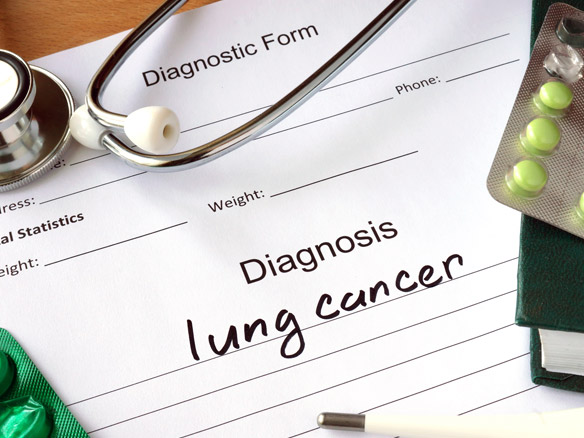
If you notice that you are experiencing any lung cancer symptoms, it's important to see your doctor as soon as possible. Doctors will likely perform a physical exam and order one or more tests to diagnose your condition. These tests will help determine if the growth of abnormal lung cells is malignant. The tests patients may be asked to undergo to diagnose the illness include:
Imaging Tests
Imaging tests are the initial phase of cancer diagnosis and are necessary to determine the presence of growth in the lungs through imaging. A CT scan is the most common imaging test to diagnose lung cancer. However, a PET scan may also be ordered if the CT scan does not provide enough information.
Needle Biopsy
Needle biopsy is a minimally invasive procedure used to diagnose lung cancer. During a needle biopsy, your doctor will insert a small, hollow needle into the tumour to extract a tissue sample for testing. This procedure is done under local anaesthesia and typically takes less than an hour to complete.
Sputum Cytology
A sputum cytology test is a simple procedure that involves testing the sputum (or mucus) that is coughed up from your lungs. This type of testing looks for cancer cells in the sample to determine if they are malignant or not.
Bronchoscopy
Another minimally invasive procedure used to diagnose lung cancer is bronchoscopy. Bronchoscopy is a procedure that uses a small, flexible tube inserted through the nose or mouth and down the throat into the airways. This tube has a small camera that will help the doctor look at the lungs to see if there are any abnormalities. This is typically done under general anaesthesia and can help your doctor determine the size, location, and type of tumour present.
A biopsy is typically ordered to confirm a lung cancer diagnosis when suspicious-looking growths are found in the lungs.
Prevention

At an early stage, it may be possible to reverse the course of lung cancer by taking steps to prevent further damage and heal your body. Some lifestyle habit changes you can make to help reduce your risk of contracting lung cancer include:
Stop Smoking
Smoking, specifically cigarettes, is one of the most significant risk factors for contracting lung cancer. Quitting smoking can help reduce your chances of getting this condition and improve your overall quality of life. If you're a smoker, it's important to quit as soon as possible. As for the non-smokers, better not to start smoking. It may be tempting to try, but it is important to know other risk factors and not fall victim to this dangerous habit.
Avoid carcinogens
Carcinogens are substances or factors that contribute to the development of cancer. Some common carcinogens that may increase your risk for lung cancer include asbestos, radon gas, and other harmful chemical substances. Therefore, avoiding these substances whenever possible is important to reduce your risk of developing this condition.
Have a Healthy Lifestyle
A healthy lifestyle is important for overall health. It can help reduce your risk of developing lung cancer—some lifestyle changes you can make include eating a healthy diet and exercising regularly. Eating a healthy diet is vital for overall health and can help reduce your risk of developing lung cancer. Aim to eat a lot of fruits, vegetables, and whole grains. In addition, limit your intake of processed foods, red meat, and alcohol.
Exercise regularly is another great way to reduce your risk of developing lung cancer. In addition, it helps to improve your overall health and helps to keep your weight down, which is important in reducing the risk of this condition.
Making these changes can help improve your overall health and quality of life.
Treatments for Lung Cancer in Singapore

While lung cancer can be a severe condition, treatment options available can help improve your prognosis. Treating this illness often depends on the lung cancer stage and your overall health.
Some standard cancer treatment options for lung cancer include:
Surgery
Surgery is often used to remove the tumour from the lungs. This procedure is plausible if the cancer is stage 1 or 2 and hasn't spread to other body parts. Surgical procedures can be done through several different procedures, such as wedge resection, lobectomy, or pneumonectomy (removal of an entire lung). The type of surgery the patient may need to undergo will depend on the size and location of the tumour.
Radiation
Radiation therapy is another standard cancer treatment option for lung cancer. This therapy uses targeted radiation to kill cancer cells while sparing normal tissues and organs. Radiation therapy destroys or shrinks lung cancer tumours and slows their uncontrolled growth.
Chemotherapy
Chemotherapy is a common drug treatment that uses powerful medications or strong chemicals to kill cancer cells and shrink tumours. These medications can be taken in pill form or through an intravenous injection.
Chemotherapy is often combined with other treatment strategies, such as surgery or radiation therapy, to help improve outcomes and reduce the risk of worsening the illness.
Targeted Therapy
The last type of therapy is targeted therapy. Targeted therapies are newer forms of treatment that use drugs or other substances to target specific molecules involved in cancer cells' uncontrolled growth and progression. These drugs work by interfering with the ability of cancer cells to grow and spread.
Several treatment options are available for those diagnosed with lung cancer, so it's important to work alongside your doctor to determine which treatment is right for you. With early detection and proper care, most people with lung cancer can achieve successful outcomes and enjoy a good quality of life.
Conclusion
Overall, it's important to be aware of your risk factors for developing lung cancer and take steps to reduce those risks as much as possible. With early diagnosis and proper care, many lung cancer patients can lead long and healthy lives. In addition, by making healthy lifestyle changes and getting regular screenings, you can help improve your chances of fighting this condition.
MSIG is committed to helping our customers protect themselves and their loved ones from the dangers of lung cancer. We offer a wide range of insurance plans like our MSIG CancerCare Plus that provide coverage for treatment and care and financial assistance in case of a diagnosis. For more information about our products and services, don't hesitate to contact us today. You can also get a quote here.
Cancer Treatment Cost in Singapore – CancerCare
14 Oct 2022


The World Health Organization's 2019 estimates show that cancer is currently the first and second cause of death for people 70 years old and below in more than one hundred countries. In Singapore alone, cases of individuals who received a cancer diagnosis increased. The country's 2015 to 2019 cancer statistics reveal
-
78,204 cancer cases
-
49% of cancer patients were males
-
51% of cancer patients were females
Cancer in men and women
Cancers commonly found in Singaporean men were those in the colon, lung, and prostate. In women, usual cancers seen are those of the breast, colorectal, and lungs. Despite these seemingly bleak numbers, records also show that more people in Singapore and the world can survive the disease thanks to medical advancements in cancer treatment and screening. Early detection is also key in battling the disease.
Test and Treatments
Regions in the world that historically have a high risk of cancer have greatly benefited from progressive breakthroughs in cancer treatment and early screening, evidenced by the disease's decreasing mortality rates. However, the major stumbling block for testing and treatment in some countries is the high cancer-related costs of treatments. Therefore, the need for local governments to have a system that coordinates proper cancer treatments in both public and private hospitals is essential.
Improvements in Singapore's cancer treatment plan
Cancer treatment in Singapore has evolved in the past ten years and is still doing so. In terms of cancer research, the country has heavily invested in creating cancer programs guided by clinician-scientists, with a special focus on care tailored to the specific cancer type a patient has.
The nation-state is also striving to further increase awareness of the increasing cost of cancer treatment in Singapore. Though various ways to identify treatments for cancer are emerging, the cost of cancer management and therapies does not come with a low financial cost. It must be emphasised that cost-effective cancer treatments are a must. It must also lead to good quality of life for the person and the patient's family.
Singapore's National Medical Insurance Plan is a comprehensive plan that allows the country to cover cancer healthcare costs. These include such treatments as medical supplies, medical expenses, cancer drugs, and cancer treatment such as radiation therapy or surgery, chemotherapy, and biopsy. Access to a private hospital is also included since 10% of the country's population receives treatment from a private hospital. Meanwhile, 90% of them receive care after diagnosis.
Biopsy Test Cost
A biopsy test can identify the presence of cancer. The process involves the removal of a tissue sample or cells from the body. The tissue or cell sample is then sent to a laboratory for testing. Biopsies are recommended if one exhibits specific symptoms that a medical provider has assessed as a cause of concern.
In Singapore, the average biopsy cost in a public hospital is S$1,044. The same procedure in private hospitals or clinics can reach more than S$5,000.
Below are various biopsy costs based on the type of cancer one has and the kind of hospital the procedure will be performed in. So far, a lung biopsy to detect cancer is the most costly as it can range from almost S$2,000. The least expensive biopsy is for skin cancer as it only costs less than S$500. Take note that these prices are from a subsidised public ward.
Biopsy procedures in private hospitals are more costly as their price can double and even quintuple.
| Type of Cancer | Hospital Type | Average Total Bill |
|---|---|---|
| Breast Cancer | Private (Unsubsidised) | S$6,275 |
| Breast Cancer | Public (Unsubsidised) | S$2,243 |
| Breast Cancer | Public (Subsidised) | S$915 |
| Prostate Cancer | Private (Unsubsidised) | S$6,067 |
| Prostate Cancer | Public (Unsubsidised) | S$1,855 |
| Prostate Cancer | Public (Subsidised) | S$939 |
| Colorectal Cancer | Private (Unsubsidised) | S$3,730 |
| Colorectal Cancer | Public (Unsubsidised) | S$3,003 |
| Colorectal Cancer | Public (Subsidised) | S$1,160 |
| Skin Cancer | Private (Unsubsidised) | S$3,180 |
| Skin Cancer | Public (Unsubsidised) | S$961 |
| Skin Cancer | Public (Subsidised) | S$492 |
Chemotherapy Treatment Cost
Chemotherapy is a medical cancer treatment that utilises cancer-related medications to destroy abnormal cells to halt their spread in the body. These drugs can either be used independently or combined with other cancer treatments.
Essentially, the purpose of chemotherapy is
-
a patient's primary cancer treatment
-
used in conjunction with other treatments, such as surgery, to kill any residual cancer cells
-
used to prepare patients for additional cancer treatments after a different treatment has been used to shrink a tumour
-
to minimise cancer symptoms – often, this refers to palliative care chemotherapy
Though chemotherapy comes with some side effects, these are generally mild and easy to treat. However, there may be instances that it may result in serious medical complications.
Chemotherapy costs in public and private hospitals
Treating cancer using chemotherapy is not a one-off deal. It requires recurrent cycles that are usually accompanied by a rest period. Usually, these cycles can take place every week, every two weeks, or more. Chemotherapy cancer drugs are given out in four or more cycles to eliminate the disease completely.
The following are tables of the actual cost of chemotherapy based on the specific type of cancer one has and the hospital where the treatment will be performed. The total cost of cancer treatments includes doctor's fees, ward charges, tests including blood tests, medication, and other cancer-related expenses.
| Ward B2 | Ward C |
Day Surgery |
|---|---|---|
|
S$1,246 on average |
S$463 on average | S$75 on average |
| Ward A |
|---|
|
S$1,978 on average |
| Day Surgery |
|---|
| S$3,338 on average |
Surgery Cost
The average surgery cost in a subsidised public ward for common cancers is S$2,810. The same procedure in a private hospital is more than S$32,000. Generally, a subsidised public hospital ward costs drastically less than a public hospital that does not provide subsidised treatments. But compared to a private hospital, an unsubsidised public ward is still cheaper by more than half.
Surgery cost of common cancers
Below are five common cancers, the cost of surgery for each cancer type, and the hospital type where the procedure will be performed.
| Type of Cancer | Hospital Type | Average Total Bill |
|---|---|---|
| Breast Cancer | Private (Unsubsidised) | S$18,525 |
| Breast Cancer | Public (Unsubsidised) | S$4,176 (wire localisation excision) |
| Breast Cancer | Public (Subsidised) | S$1,777 |
| Prostate Cancer | Private (Unsubsidised) | S$53,326 |
| Prostate Cancer | Public (Unsubsidised) | S$26,244 |
| Prostate Cancer | Public (Subsidised) | S$2,030 |
| Colorectal Cancer | Private (Unsubsidised) | S$42,612 |
| Colorectal Cancer | Public (Unsubsidised) | S$23,041 |
| Colorectal Cancer | Public (Subsidised) | S$4,177 |
| Lung Cancer | Private (Unsubsidised) | S$25,240 |
| Lung Cancer | Public (Unsubsidised) | S$9,159 |
| Lung Cancer | Public (Subsidised) | S$2,426 |
Other Treatment Cost
Other than conventional cancer treatments such as biopsy, chemotherapy, radiotherapy treatment and surgery, palliative care and hospice care are non-traditional therapies that can improve patients' lives as they go through a major long-term illness.
The value of palliative care and hospice care
These therapies aim to bring comfort to patients by supporting their physiological needs and providing them with emotional, psychological, and spiritual relief. These unconventional treatments will ensure that the cancer patient and their family are supported. It is critical that people with cancer do not feel they have to deal with their medical condition by themselves. Having the support of friends and family can ease the burden of having the disease.
Palliative care starts as early as upon having a cancer diagnosis. It can also occur at the same time as having treatments.
Hospice care is a special type of care that is given when a patient has been determined to be in their last stages of life. It is provided to manage the symptoms and provide care and comfort to the patient rather than trying to cure the disease.
Singapore makes sure that both palliative and hospice care, especially any of its related costs, are affordable to those who qualify for it. This is made possible through financial assistance schemes made via welfare organizations that volunteer their services to those who need them the most. The HCA Hospice Care and the Assisi Hospice and Metta Welfare offer no-cost hospice care for individuals who belong to the lower-income category.
The Ministry of Health also created the Inpatient Hospice Palliative Care Service to respond to people's needs for care services and is designed for inpatients.
The average cost of either hospice care or palliative care in Singapore is more than S$7,000.
Need help with Cancer Treatment?
The country's national insurance programme is rooted in the belief that everyone is responsible for their individual health. Good health can be achieved by allowing everyone to experience accessible and affordable healthcare. Policies are still being improved and continually assessed as Singapore is recognised internationally as a healthcare hub.
Cancer treatment access
There are different types of protection made available for Singapore citizens to have access to healthcare, especially for those who have inadequate support.
The first type of protection the government has provided covers as much as 80% of a patient's total bills as long as these are within Singapore's acute public hospital wards.
The second is made possible by Medisave – mandatory medical savings account program that makes it possible for citizens to pay for their part of medical treatment with zero financial hardship. Singaporeans and their corresponding employers share a part of their monthly salary into the account to use for their future health care needs until after their retirement.
The third protection, provided by MediShield Life – a basic health insurance plan that aims to pay for citizens' hospital bills and expensive outpatient cancer drug treatments or even non-cancer drugs and therapies such as dialysis.
The MediShield Life health insurance plan also covers pre-existing conditions. The government ensures that the scheme adheres to policies via the MediShield Life Council's regular review of MediShield life's proper administration, including appropriate guidelines of the overall Medishield life payouts and MediShield life claim limits.
Singaporeans can also opt to supplement their coverage with the Integrated Shield plan. This provides added private insurance coverage. Due to its additional benefits, plan premiums are also higher compared to MediShield life claims. Singaporeans aged 40 can opt to have ElderShield. It comes with a Central Provident Fund Board account to protect them from financial risks against severe disability.
Lastly, MediFund is a government medical endowment fund that functions as a safety net for financially struggling patients due to remaining and unpaid medical bills even after receiving subsidies and using their health insurance or cancer insurance.
Subsidies from the Ministry of Health
The Ministry of Health, thanks to its acceptance of the recommendations made by MediShield Life Council, is aiding the financing of cancer treatment costs. Citizens are to be provided with approved drugs for cancer-related treatments, which can be claimed through MediShield Life.
The coverage of the treatments is 90% of those available within the public sector. Similarly, more cancer-related medications will be subsidised via the Medication Assistance Fund because the government will increase the eligible income criteria. This means patients will pay less for expensive cancer drugs and gain easy access to cost-effective drugs. 90% of citizens will see their medication-related bills 100% covered via Medishield life.
Subsidies from the Singapore Cancer Society
Singapore Cancer Society – a welfare group that aims to lessen cancer's impact on the public through education, awareness, screening, financial assistance, and research – is self-funded and highly dependent on donations. Since 1995, it has been officially institutionalised as a charity by the Ministry of Health.
Patients from low or middle-income families will receive one-time financial assistance within six months of being diagnosed with cancer.
Those eligible for the Singapore Cancer Society's subsidies are those whose per capita monthly income is less than S$1,200. These group of people will be deemed Blue Health Assist cardholders.
Meanwhile, those whose monthly income per capita is less than S$2,000 but more than S$1,200 can expect to receive S$500.
Since 2015, more than 6,000 patients have received aid, which is equivalent to more than S$5 million in financial assistance.
MSIG CancerCare Plus Insurance
MSIG CancerCare Plus Insurance offers Major Cancer benefits and Early Stage Cancer accelerated benefits. The insured will receive full payment of S$100,000 if they are diagnosed with major cancer. Those who receive an Early Stage Cancer diagnosis will receive a $50,000 payout.
With the aid of MSIG CancerCare Plus, patients will get a peace of mind knowing that they are protected against the major costs of cancer treatments. The policy covers inpatient and outpatient cancer treatment expenses. This insurance policy also helps to cover the costs of chemotherapy and radiotherapy treatments in both public and private hospitals.
Essentially, cancer treatment depends on its length and the complexity of the procedure, and whether it is conducted in a private hospital or a public and subsidised hospital. Conventional treatments include biopsies, surgery, and chemotherapy. Non-traditional therapies also aid in helping relieve a patient's quality of life.
These treatment costs are easily accessible and affordable, thanks to government subsidies and private health insurance. Opt for financial assistance you feel you are qualified to receive and acquire.
Car Inspection in Singapore: Everything You Need To Know
14 Oct 2022
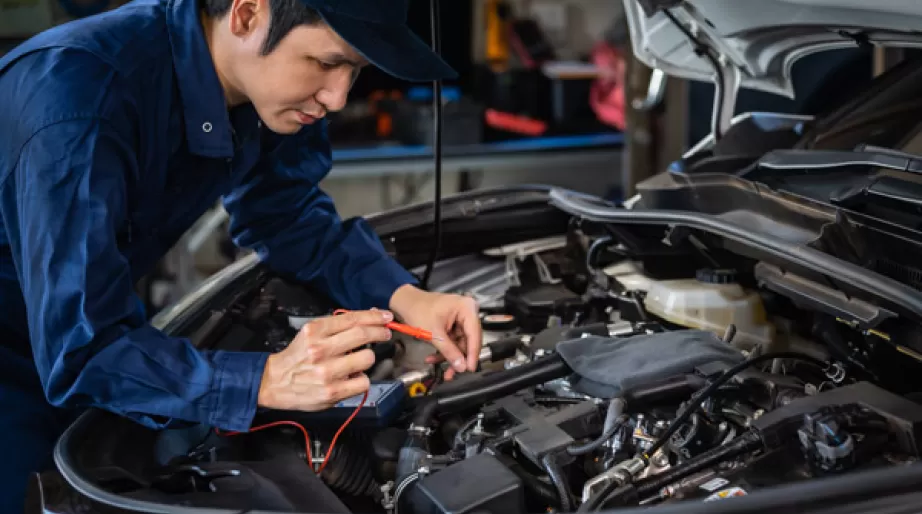
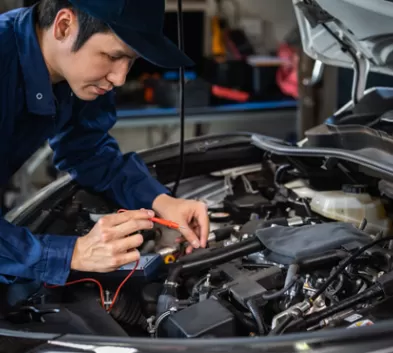
You might be surprised to know that even if your car is less than a year old, you are still required by law to have it inspected. Car inspections in Singapore are mandatory, and they ensure that all vehicles on the road are in safe condition.
This article will discuss everything you need to know about car inspections in Singapore, from the available inspections to the documents you will need to bring with you. Let’s get started!
What is a Vehicle Inspection?
A vehicle inspection is an important process in Singapore that all vehicle owners must go through to guarantee that their cars are safe and roadworthy. A notice for vehicle evaluation in Singapore will be sent to the vehicle owner by the Land Transport Authority (LTA). The inspection covers many aspects, from the tyres and brakes to the engine and exhaust system.
The car inspection is carried out by authorised personnel at authorised inspection centres. The car inspection process includes a visual check of the exterior and interior of the vehicle and a test drive.
In addition to safety-related defects, inspectors also check for compliance with emissions standards and roadworthiness requirements.
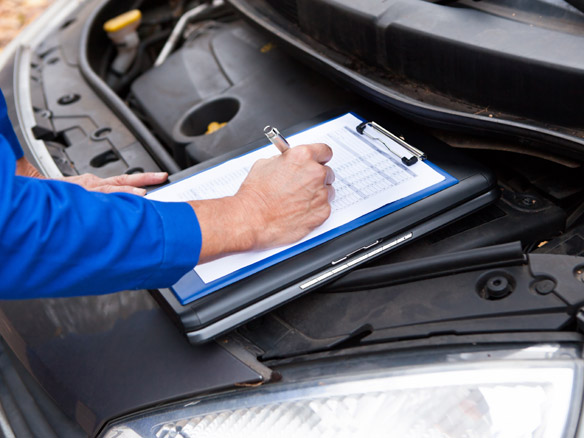
Car inspection in Singapore is an essential process because it helps ensure the safety of all drivers and passengers on the road. In addition, it helps to keep our environment clean by ensuring that vehicles meet emissions standards.
It is essential to get cars inspected regularly, as this will help prevent any major defects from developing. If a defect or flaw is found, the inspector will give you a repairable or unrepairable status, depending on the severity of the defect.
Inspection Frequency
The frequency of inspection in Singapore also depends on the type of vehicle you have. For instance, private cars, tuition cars, and motorcycles must undergo an annual inspection, while commercial vehicles must undergo a bi-annual car inspection. Here’s a table for the normal inspection schedules depending on the different vehicle types:
| Type of Vehicle | Below 3 years old | 3 to 10 years old | More than 10 years old |
| Motorcycle/Scooter | No inspection Required | Annually | Annually |
| Car | No inspection Required | Every 2 years | Annually |
| Taxi | 6-monthly | 6-monthly | N/A |
| Private Hire Car | Annually | Annually | Annually |
| Omnibus | 6-monthly | 6-monthly | 6-monthly |
| All Other Buses | Annually | Annually | Annually |
| Goods Vehicle | Annually | Annually | 6-monthly |
| Trailer | Annually | Annually | Annually |
Table source from Land Transport Authority (LTA) website (as at Nov 2022)
Process
If you are to have your vehicle inspected, the first step is to make an appointment with an inspection centre. You can call the LTA enquiry hotline or visit the LTA website.
Once you arrive at the inspection centre, the inspector will lead your car to the inspection lane, and then he will proceed to inspect the outside and the inside of your vehicle. But not everything in between, like what’s under the car or in the engine compartment.
The inspector might ask you to move around with them to make sure they can see all sides of your car, or they might want to drive it for a while first to check everything out.
The entire process can take about an hour or two. You need to go to an authorised car inspection centre and bring your vehicle’s registration card, driver’s licence and car insurance.
These car inspectors may perform several tests and inspections, such as inspection of the braking system, steering system, wheel bearing, tyre suspension, etc. They do this to look out for bald tyres, faulty brakes, any illegally modified engine, rusting, and broken bodywork.
They can also perform additional statutory test requirements, including diesel smoke test, Compressed Natural Gas (CNG) inspection, hydrocarbon emission test, and high idle emission test (petrol vehicles). If they find anything wrong with your car, they’ll give it a repairable or unrepairable status.
If your car gets an unrepairable status, you can’t renew your Certificate of Entitlement (COE) or register it for use on the road. Take note that if your car has undergone illegal modifications, it may be subject to more frequent inspections. This falls under the Enhanced Inspection Regime (EIR).
Costs
There is a fee for vehicle inspection services in Singapore. The cost of a vehicle inspection depends on the vehicle type. Below is a table presenting the prices for first inspections and re-inspection services in Singapore:
| Types of vehicles | First Inspection | Re-inspection |
| Motorcycle/Scooter | S$20.33 | S$10.17 |
| Car | S$67.41 | S$33.71 |
| Taxi | S$67.41 | S$33.71 |
| Private Hire Car | S$67.41 | S$33.71 |
| Omnibus/Public Buses (2 axles) | S$79.18 | S$39.59 |
| Other Buses (2 axles) | S$79.18 | S$39.59 |
| Light Goods Vehicles | S$67.41 | S$33.71 |
| Heavy Goods Vehicles (2 axles) | S$79.18 | S$39.59 |
| Heavy Goods Vehicles / Buses / Trailer with prime mover (>2 axles) | S$85.60 | S$46.01 |
| Trailers | S$67.41 | S$33.71 |
Table source from JIC Inspection Services’ website (as at Nov 2022)
Car owners can do a yearly inspection or bi-yearly. If you choose to do an annual inspection, the service will cost less, but you will need to get it done before your car’s COE expires. If you are late for your vehicle’s inspection, you’ll have to pay additional late fees.
Inspection Centres
Ensure that you go to an authorised inspection centre when having your car inspected. There are a few authorised centres in Singapore that offer services for all vehicle types, and you can find the complete list here:
-
JIC Inspection Services Pte Ltd (Jurong)
-
JIC Inspection Services Pte Ltd (Ang Mo Kio)
-
STA Vehicle Inspection (Sin Ming)
-
STA Vehicle Inspection (Boon Lay)
-
VICOM Inspection Centre Pte Ltd (Sin Ming)
-
VICOM Inspection Centre Pte Ltd (Bukit Batok)
-
VICOM Inspection Centre Pte Ltd (Changi)
-
VICOM Inspection Centre Pte Ltd (Kaki Bukit)
-
VICOM Inspection Centre Pte Ltd (Yishun)
-
Indeco Engineers (Pte) Ltd
-
Lian Hup Heng Motor LLP
-
Five Luck Enterprise
-
Leader Automobile Workshop
-
Soon Heng Taximeters Service – Taxis only
Authorised inspection centres are certified by the Land Transport Authority (LTA) to conduct inspections on vehicles. These centres have qualified inspectors who are well-trained in inspecting all kinds of vehicles, including heavy goods vehicles, buses, light goods vehicles, and trailers.
While car inspections are one of the regular maintenance activities, you need to do for your car, having car insurance is equally important. This is because accidents can happen anytime, anywhere, and no one knows when their car might break down.
Let us help you get your car insured! MSIG MotorMax is an insurance plan covering your vehicle against accidental damage, fire, and theft. This plan also covers you for third-party liability, meaning that if you cause damage to someone else’s property or injured them, you will be protected financially.
Transfer of Car Ownership and Deregistration in Singapore [A Step-by-Step Guide]
14 Oct 2022

Transferring ownership and deregistration of cars can be a hassle. The same goes for filing and submitting documents to the government. However, these things can be done in Singapore through the official Singapore Government platform – making vehicle registration procedures accessible and convenient.
Using your SingPass 2FA account, you can access the country’s Land Transport Authority. This allows you to file for different processes for your vehicle online. If you’re curious about how vehicle transfer and deregistration work, this article will help you make progress.
Step-by-Step Process to Transfer Vehicle Ownership
A vehicle ownership transfer is a legal requirement in Singapore, and it occurs when a second-hand vehicle is bought, sold or passed into the care of another. The process of vehicle ownership transfer must be completed within seven days.

Before the LTA approves the transfer, both parties should take note of the following considerations:
-
The vehicle to be transferred should have no financial issues.
-
Road tax arrears, fees, fines, and similar expenses should all be paid.
-
The car should no longer be under financing.
-
Vehicles registered with a Category A or B certificate of entitlement (COE) should be at least three (3) months old before being transferred.
How to Transfer Ownership of Your Vehicle
-
Find a New Car Owner
Finding a new car owner is essential before using your Singpass 2FA. You can be giving it to someone or found a new buyer. Selling it by yourself means you get to save on the sale value that would otherwise go to the broker or middleman. However, it might take longer to find a dealer without buying and selling professionally.

If you go through a broker or car dealer, you can put up the vehicle under their name through a temporary transfer of vehicle scheme. Also, you might want to make sure that the dealer you’ll be working with, is a CaseTrust-SVTA certified dealer.
-
Settle the Remaining Financial Obligations
The LTA requires any vehicle to be sold or transferred to have all its outstanding taxes, fees, and debts settled. All these should be done before being allowed to be sold or given to another owner. If you’re going through a vehicle dealer, they can pay the outstanding financial obligations for you.
-
Apply for the Transfer Process
You can personally visit the LTA Customer Service Centre or use your SingPass 2FA login. The convenient online process applies to almost every vehicle. However, if the vehicle to be transferred was for diplomatic use, a Light Goods Vehicle (LGV), or one owned by a deceased owner, you might be required to visit the LTA Customer Service Centre personally.
Also, if you’d rather keep your vehicle number, you can opt to do so before pushing through with the transfer.
Requirements
For the seller, the following details are required when initiating a vehicle ownership transfer:
-
The vehicle’s registration number.
-
National Registration Identification Card (NRIC) or the next owner’s Foreign Identification Number (FIN) number.
-
The contact number of the next owner. They will receive an SMS message telling them about the transfer. Recipients have five days to confirm the upcoming vehicle ownership transfer.
-
The next owner will have to log into the OneMotoring platform and accept the transfer. There is a required $25 fee.
-
Both parties will receive an SMS confirming that the vehicle ownership transfer has been confirmed and accepted.
Reminders for the Next Owner of a Car Transfer
Since buying a car is a significant financial decision, consumers should check the following items to ensure a smooth and problem-free transaction:

-
The vehicle needs valid and subsisting motor insurance in the buyer’s name and should indicate full coverage for the full period of the applicable vehicle’s road tax.
-
The vehicle for transfer must have passed complete vehicle inspections from any inspection centre authorised by the Land Transport Authority. This especially applies to those requiring vehicle inspection before any road tax renewal.
-
An additional levy is imposed on the buyer for vehicles with Category A or B COE within 4 to 6 months from registration. You’d want to check if the Quota Premium paid for the COE is below that same car’s COE category at vehicle transfer. The additional fee corresponds to the difference between the two QPs.
-
For light goods vehicles (LGV), a valid farm or hawker licence from the Singaporean government is required.
-
For heavy goods vehicles (HGV), a vehicle parking certification named after the buyer with full coverage for the vehicle’s valid road tax is required.
Additionally, the Consumers Association of Singapore (CASE) has released a complete SAFE Checklist to help potential buyers check the vehicle they’re getting.
Vehicle Transfer for Foreigners Who Have No SingPass 2FA Account
For foreigners who are not eligible for a SingPass account, they’ll have to set personal appointments with the LTA. In this case, both the current owner and the next owner must be physically present on the appointment date.

Below are the requirements for both parties:
-
A duly-accomplished M01 application form.
-
Identification documents for both the current and the next owner.
-
A $25 transfer fee is payable through SGQR PayNow or NETS.
-
Additional levy as mentioned above.
-
Motor insurance certificate named after the next owner, with coverage for the whole period of the valid road tax.
-
Original vehicle inspection certificate from an LTA-authorised inspection centre, especially where inspection is required before road tax renewal.
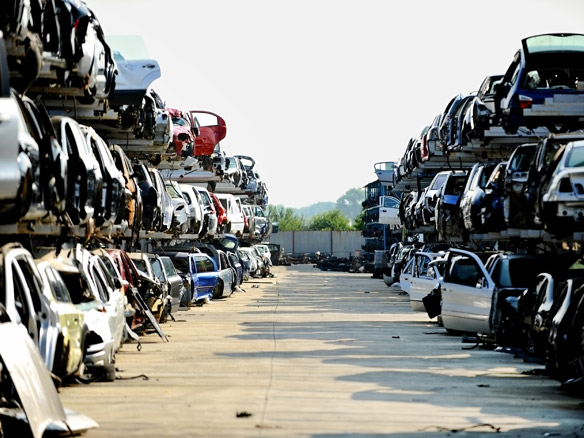
Deregistration refers to the cancellation or forfeiture of a vehicle, meaning that you’ll stop using it within Singapore. This can happen for various reasons, mainly when the vehicle is no longer usable or of value to the original owner.
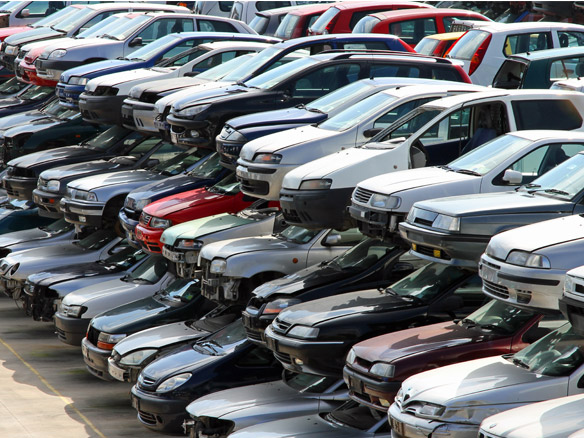
It is important to note that it must be appropriately disposed of upon deregistering a vehicle through scrapping or exporting it. The Singapore government allows temporary storage in any Export Processing Zone (EPZ) while the vehicle awaits export. Once the vehicle has been disposed of, the owner can receive PARF/ COE rebates. This depends on the type and age of the vehicle and the expiry date on the COE.
According to LTA regulations, failure to present and submit proof of disposal of the deregistered vehicle is considered an offence. Similarly, the use or personal storage of supposedly deregistered vehicles is not allowed.
How to Deregister a Vehicle
Citizens can apply for the procedure through their SingPass 2FA. For foreigners and other people not eligible for SingPass, they’ll have to request an appointment with the LTA Customer Service Centre.
Once the deregistration of the vehicle has been confirmed, the owner must dispose of the vehicle through any of the following methods:
-
Disposal at an LTA-authorised scrapyard
-
Get the vehicle exported. Temporary storage pending exportation at an LTA-appointed EPZ is also acknowledged.
Similarly, you can enlist the services of a motor dealer to help you handle the vehicle disposal requirement. It is recommended to deal with CaseTrust-SVTA accredited vehicle dealers.
It is also important to note that there are additional deregistration procedures for the following cases:
-
Vehicles lost through theft
-
Vehicles lost through a Criminal Breach of Trust
-
The current owner has passed away
-
The vehicle belongs to an undischarged bankrupt owner
-
Vehicles used by or belonging to a diplomat
Additionally, owners looking to deregister vehicles should be aware of the difference between a PARF-eligible vehicle and a non-PARF or COE vehicle. Essentially, a Preferential Additional Registration Fee (PARF) vehicle is one that still uses its original Certificate of Entitlement (COE). Non-PARF of COE vehicles is those that have renewed their COE. This also determines whether the vehicle for deregistration is eligible for a PARF rebate.
Deregistration of PARF Eligible Vehicles
Properly deregistering a PARF-eligible vehicle makes the owner eligible for a rebate. Below are the steps in deregistering your PARF vehicle:
-
Apply for deregistration through the SingPass 2FA portal.
-
Dispose of the vehicle or have it exported.
-
Upload the disposal or exportation documents of the deregistered vehicle through the SingPass 2FA. It must be accomplished within one month from the deregistration date.
Deregistration of Non-PARF (COE) Eligible Vehicles
If you have renewed the COE of your vehicle, then it’s no longer considered PARF-eligible. Below are the steps to deregister:
-
Deregister the vehicle through the SingPass 2FA portal.
-
Get the vehicle disposed of or exported.
-
On the SingPass 2FA portal, choose Option 2 in the Digital Service. You’ll also have to choose the mode of how the vehicle was exported.
-
Upload the disposal documents on the digital platform.
Final Words
By transferring ownership or deregistering your car, you free yourself from the responsibilities of keeping a motor vehicle. This is particularly helpful for those looking to change vehicles or let go of a car they no longer need. By using their SingPass 2FA account, people can do most of these processes without having to leave home.
With streamlined online access to file for car deregistration or transfer car ownership, Singapore authorities make it easier for citizens to dispose of or transfer their cars. There are even procedures for people residing in the country without their own SingPass 2FA account to facilitate these motor vehicle transactions.
If you’re looking to get your first second-hand car, take a look at a few tips to help you make the most out of your hard-earned money. Then, follow the step-by-step procedures outlined above to ensure hassle-free transactions and penalties.
FAQs
How much does a change of ownership of a car cost?
A $25 fee is required for a change of ownership of vehicles.
Who pays to change ownership of a car?
The next owner or the buyer is required to pay the $25 fee.
Can I do a change of car ownership online?
Yes. Singaporean citizens with SingPass 2FA accounts can change car ownerships online. Foreigners without SingPass will require a physical appointment with the LTA.
Can I sell a deregistered car?
No person may sell or buy unlicensed or deregistered vehicles in Singapore. Doing so is an offence punishable by law.
Can I transfer vehicle ownership without insurance?
No. Valid motor insurance under the owner’s name is required. It should also cover the full period of the valid road tax for the transferred vehicle.
MSIG MotorMax Car Insurance
If your car doesn’t have motor insurance yet, better to get one now. The great thing about motor or car insurance is that you can find them easily online. A great example would be MSIG MotorMax. Our car insurance provides full coverage for your car and ensures that you are protected financially in the event of an accident. Don’t hesitate to give us a call to know more about MSIG MotorMax and its coverage.
Buying A Secondhand Car in Singapore [The Ultimate Guide]
14 Oct 2022


You've done the research and decided to purchase a used car. You may be worried about all the potential problems that could come with buying a car that's been previously owned. Luckily, there are ways to avoid the headaches associated with used cars.
Read up on common problems that occur with different makes and models of cars. You'll be prepared to spot them if they pop up during in-person car inspections and car evaluation. It's also a good idea to do your research ahead of time.
While buying a car, used or new, is an exciting experience, don't overlook these tips to ensure you get your money's worth and complete peace of mind. This informative guide will teach you how to buy a second-hand car in Singapore without all the stress.
Recognise your requirements and begin your research
There are things to keep in mind and research when buying a second-hand car. Start by determining your requirements in a car. This will help you focus your search later on. Some factors to consider include:
-
How many people will be using the car?
-
Why do you need the car?
-
What brand or model do you prefer?
-
What is your budget?
-
How much is your budget for monthly payments?
-
Are you looking for a car with a warranty?
After considering these factors, it's time to start your research.
Take note that there are prices to consider when buying a second-hand car, including the car registration fee, additional costs like road tax, and COE. All of this must be considered in your budget in order to avoid overspending.
Look for car deals

Looking for the right deal is a process that takes time and effort. There are many things to consider when trying to get the best price, such as the car's make and model, age, condition, and any special features it may have. Here's a quick guide on how to get started:
-
Have a budget in mind
-
Know what you want before you start looking
-
Check out local used car dealers and classified websites.
-
Apply for a car loan if necessary
-
Compare the selling price of different sellers.
-
Negotiate with the previous owners for a better price
-
Inspect the car before buying it
-
Make sure to get a warranty or insurance plan.
Make a list of some used cars and set up viewings
Making a list of potential used cars is a great way to narrow down your options and focus your search. Once you've found a few vehicles that meet your requirements, it's time to arrange viewings with your dealer so you can take them for a test drive.
Pre-inspect the used car before you buy it

Before purchasing a used or second-hand car, it's important to inspect it thoroughly. This will help you spot any potential problems that could cost you money down the road.
When you're up and ready to take a closer look at the car, there are a few things you should do to make sure you're getting the best deal:
-
Check the car's exterior for any damage. Look for dents, scratches, and rust. Since the car isn't a brand new ride, you can also check under it if there are any oil leaks.
-
Pop open the hood and check the engine compartment, engine oil level, and colour. A healthy engine will have clean, amber-coloured oil. It is also best to check the car's mileage to know how far it has gone and been used.
-
Opt to take the car for a spin to see how it feels and listen for any strange noises.
If you're not comfortable inspecting the car yourself, you can always take it to a mechanic for a thorough check or inspection. They'll be able to tell you if there are any significant problems with the car that could end up costing you a lot of money to fix.
Age of a used car
Age is an important consideration when buying a used car. If you're looking for a cheap car that you can mod or customize, you may consider buying an older car model. A new car will likely have fewer problems and be easier to maintain. It's crucial to inspect the vehicle before buying it to ensure no significant problems.
Test drive the used car
You'll want to test drive a car on different types of roads, in different weather conditions and with varying amounts of weight in the car. Excessive noise from the tyres means the wheel bearings need to be replaced.
Drive the car on a straight, quiet road and release its steering to test its wheel alignment. Accelerate hard and ensure the gears shift smoothly to feel how the car handles.
Is this a PARF or COE?
When a car is less than ten years old, it's considered a PARF car. This means that the car has a Preferential Additional Registration Fee (PARF) rebate. PARF rebates are discounts on the car's registration fee.
On the other hand, a more than ten-year-old car is considered a COE car. This means that the car has a Certificate of Entitlement (COE). The COE is a document that allows you to register and use the car for a certain period.
When deciding which is better for you, it's essential to consider the pros and cons of each option. PARF cars have a lower initial cost, but you'll have to pay more to renew their registration when the time comes. COE cars have a higher initial cost, but you'll save money on registration renewal fees.
It's also important to remember that PARF cars can only be sold to car dealers, while COE cars can be sold to anyone. So, if you have any plans on putting your car up for sale in the future, you may want to consider buying a COE car.
The bottom line is that there's no right or wrong answer when choosing between a PARF or COE car.
Include Possible Fees
Buying a used car is a sensible option for many people. The price of owning and running a new car can be expensive to some, so a used one is often seen as a more affordable option.
However, a few things to keep in mind when budgeting for your used car purchase. Here are some possible fees you may encounter:
Car Insurance

Car insurance is a legal requirement in Singapore, so you'll need to factor it into your budget when buying a used car. The cost of car insurance in Singapore or any country highly depends on the make and model of your car and your driving history.
MSIG MotorMax offers comprehensive protection for your used car, with features such as 24/7 roadside assistance, personal accident cover, and more.
If you want to learn more about our car insurance plans, you can get a quote here.
Road Tax
All cars in Singapore must be registered with the Land Transport Authority (LTA) and have a valid road tax. The cost of road tax varies depending on the engine capacity of your car and the type of fuel it uses.
Administration Fee for Buying Used Cars
The previous owner or direct seller may charge an administrative fee when you buy used or second-hand cars. This is a one-time fee that covers the cost of paperwork and other administrative tasks related to the sale. This fee varies, but it's typically a small percentage of the total purchase price.
Car Maintenance Costs
Owning a car (big or small) is a big responsibility, and it's essential to factor the cost of maintaining it into your budget. Maintenance costs can vary depending on the model and make of your car and how well you take care of it. Common maintenance tasks include oil changes, tyre replacements, and brake pad replacements.
Looking into the car's maintenance records is a must, as it gives you a gist of the issues or repairs that the car has experienced in the past.
If you're not comfortable doing the maintenance tasks yourself, you can always take your car to a mechanic. However, this will add to your overall maintenance costs.
Car Loans
When buying your dream car, it's tempting to take out a loan to pay or finance the purchase. However, you should only do this if you're confident that you can afford the repayments. Loans typically have higher interest rates, so they can quickly become expensive if you're not prudent.
If you're considering taking out a car loan, shop around and compare offers from different banks or agencies before deciding.
Vehicle Log Card
When you buy a used vehicle, it's vital to get a copy of the vehicle log card. This document contains important information about the car, such as the vehicle, engine and chassis number, and the number of owners the car has had. This information can be helpful when it comes time to transfer car ownership. The vehicle log card can also verify the car's open market value.
Ask about Car Warranty
Check with the owner or salesperson that the dealership offers a warranty for the vehicle under the lemon law. A warranty for second-hand vehicles is important to protect consumers if the car breaks down within a short period after purchase.
Proof of Agreement

Print a copy of the used car advertisement as proof of agreement after contacting the owner or dealer for viewing. This prevents the dealer from altering the car's price or accessories provided at their discretion.
MSIG MotorMax Car Insurance
If your car doesn’t have motor insurance yet, better to get one now. The great thing about motor or car insurance is that you can find them easily online. A great example would be MSIG MotorMax. Our car insurance provides full coverage for your car and ensures that you are protected financially in the event of an accident. Don’t hesitate to give us a call to know more about MSIG MotorMax and its coverage.

